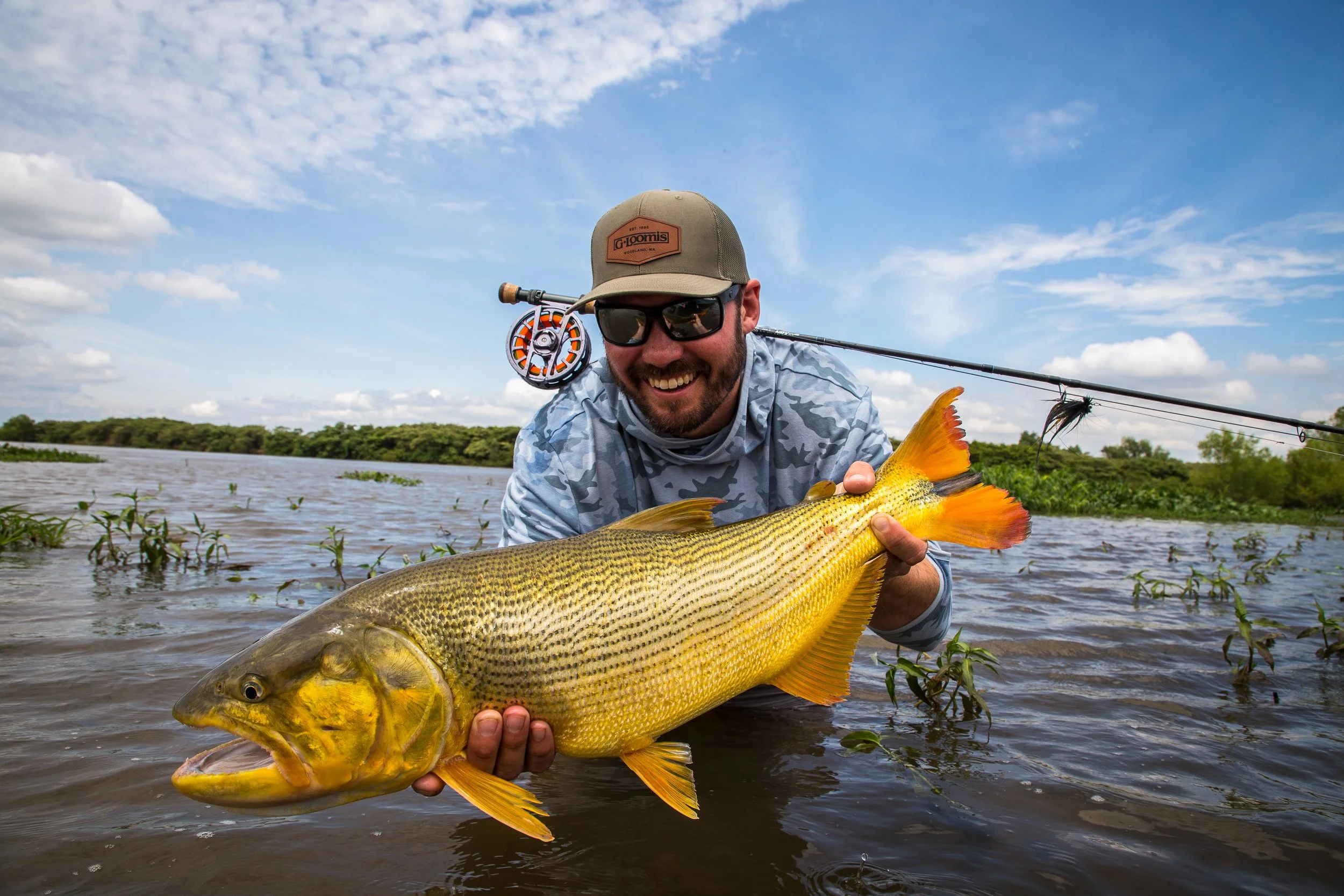
How to Get the Most Out of a Guided Fly Fishing Trip
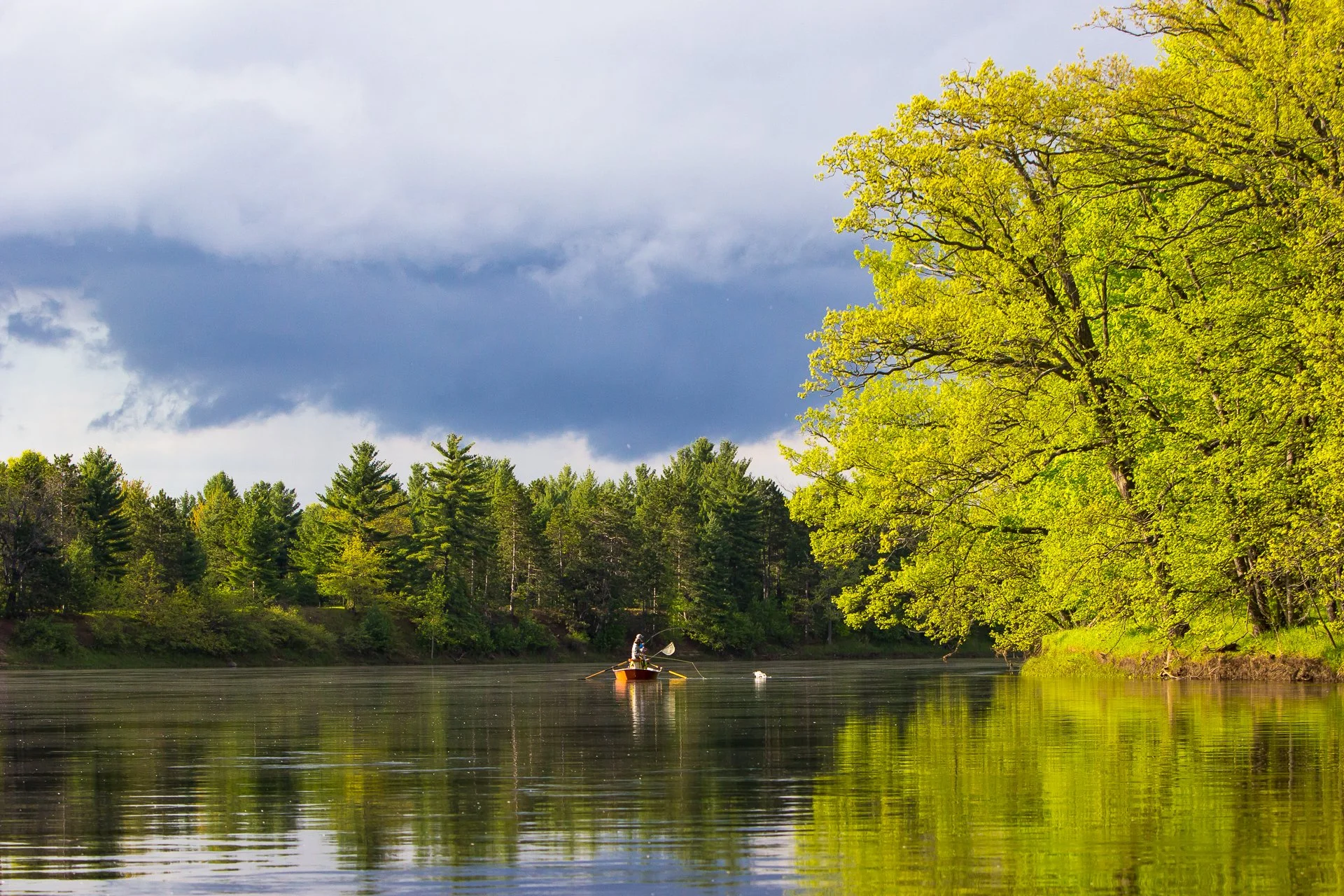
I've been doing this long enough to tell you — with a fair amount of confidence — that the most important variable on a guided trip isn't the weather, the hatch, or even the guide. It's the angler. I've watched clients catch fish in conditions I'd have bet against and I've watched others struggle on days where I could have netted fish with my hat. A guided fly fishing trip is a collaborative thing. The guide leads the horse to water. Whether the horse drinks is a different story.
Here's everything I wish every client knew before they showed up at the truck.
Do Your Homework Before You Book
We live in a time where anyone can make themselves look like a seasoned professional on the internet or social media. Slick photos and a well-designed website don't tell you whether someone actually knows how to read water or handle a fish. Word of mouth is still the most reliable compass in the guide world — ask around your fishing community, dig into Google reviews, and look for patterns in what people are saying.
The Midwest has seen a real uptick in pop-up guide operations in recent years. Some are legit. Some have a killer “A” spot and not much else. What happens when plan A doesn't pan out? An experienced guide has a plan B, C, and D ready to go before the day even starts. If things go sideways, a new guide may be scrambling. Consider giving them a call before booking. Ask how long they've been guiding, whether they're insured, whether they hold the proper licensing for the waters they're fishing. You're about to spend a full day and a meaningful amount of money — it's worth asking a few questions first.
Prepare Like You Mean It
The single fastest way to get more out of a guided day is to show up ready to fish, not to learn to cast. I'm not saying you need to be an expert, far from it. But if you can get to a local park or pond and throw a fly rod around a few times before the trip, do it. Watch a couple of YouTube videos on casting for your target species. Take a beginner lesson. None of it needs to be formal. It just needs to happen.
When an angler shows up having never held a fly rod, a significant portion of the day becomes a casting clinic rather than a fishing trip. That's fine and we're happy to teach — but if catching fish is the goal, a little preparation beforehand goes a long way toward hitting the ground running.

Communicate Early and Often
Before the trip, tell your guide what you're hoping to work on or get out of the day. Want to dial in your mending? Learn to read water? Finally figure out what a proper hook set looks like? Say so. Most guides, myself included, genuinely love to teach, and knowing your goals ahead of time lets us build the day around them.
On the water, ask questions. If you don't understand a piece of instruction, say so. I once watched a client spend two full days on an expensive trip to Patagonia struggling to put the fly where his guide was asking because he didn't know what the guide meant by "bucket." The guide kept saying hit the bucket, referring to a deep depression or soft seam that could hold a trout, and the client had no idea. Two full days of confusion, frustration on both ends. Finally, over cocktails, a little liquid courage helped the client ask what the hell a bucket was. The next day he was hitting them left and right. The whole boat's energy shifted.
Don't let that be you. If your guide uses a term you don't recognize, ask them to explain it a different way. There's no such thing as a dumb question on the water, unless you ask if that rock sticking out of the water goes all the way to the bottom…(a real question I was asked).
Listen — Really Listen
One of the greatest advantages of a skilled guide is having someone who can actually see what you're doing. You can't watch yourself cast. In your mind's eye you made a perfect presentation, got the eat, and set the hook. What I'm seeing from the rower’s seat is that you finally stopped breaking your wrist, you stepped forward and missed the fly line under your boot for the first time all day, you put the fly three inches from the bank, got the eat and then froze when the rod bent instead of continuing to take up slack to button the fish up.
Those are all improvements. Real ones. But you can't see them without someone watching.
The anglers who get the most out of a guided day are the ones who hear their guide's instruction, absorb it, and apply it — even imperfectly. And when something isn't clicking, they ask for a demonstration. If you're a visual learner and mending isn't making sense verbally, ask your guide to show you. We'd rather demonstrate ten times than watch you struggle all day.

Photo credit: Russell Rosenberg
Show Up on Time and Be Ready to Go
This one sounds obvious but it shapes the entire day. Be on time. Have your fishing license. Bring the gear you were told to bring. There's nothing that puts the morning in a ditch faster than having to drive around looking for cell service so a client can buy a license at 6 AM.
Most guides have a pre-trip routine — loading gear, rigging rods, running through the plan for the day. It's clockwork, and it matters. If you arrive and want to help, just ask. Well-intentioned help that disrupts the routine can create small problems that compound later. A quick "anything I can do?" goes a long way and if the answer is stay out of the way, do as instructed.
Stay in the Boat Mentally
I can tell when an angler has checked out. Shoulders drop, casts get lazy, eyes wander. It happens — long days, slow stretches, heat, frustration. I get it. But if I'm holding the boat in current or fighting the wind to keep you on a productive seam and you're throwing a half-assed cast in there, it's hard to go the extra mile.
A client I guided in Chile once told me "the boat's a team," and she was right. Match the energy your guide is putting in. If you're genuinely done for the day, just say so — a good guide will rather have the extra hour to wash the boat than spend it grinding with an angler who's already mentally at the bar. There's no shame in it. Just communicate.
Keep an Open Mind
You may have fished with a guide before who did everything a certain way, and that became gospel. The beauty of working with different guides is that there are many paths to the same fish. Come at the day with curiosity. The anglers who walk away with the least are the ones who arrive already certain they know it all.
All of our guides at BEAC have earned their reputations on the water — and we all have our own approaches to finding fish and putting clients on them. If I ask you to do something differently than you're used to, there's a reason. Give it a shot.
Follow the Conditions, Not Just the Calendar
You may have booked a trout trip for a specific day, but conditions don't care about your calendar. If your guide is suggesting a change of plan — a different stretch of water, a different species, a later start — it's worth asking why before pushing back. Water temperatures, pressure systems, recent runoff — these things dictate what's actually going to produce. Our job is to put you on fish, and sometimes that means pivoting from plan A. Some of the best days of fishing I’ve had guiding have been on days where the weatherman is telling you to stay inside. Don’t panic at the rain cloud in the forecast, we are the closest thing to a weather station on the water, we often know when to pull the plug and when to put on the rain jackets and get out there.
The guide who talks you out of trout fishing on a 90-degree afternoon and onto smallmouth instead or suggesting a reschedule due to high winds, isn't bailing on you. They're doing their job.
Tip Your Guide
I'll be direct about this one. Guiding is skilled labor. It requires years of experience, intimate knowledge of the water, a reliable rig, proper insurance, and licensing — and it doesn't come with benefits or a retirement plan. Tips are how guides make the math work. They fuel the vehicles, cover the meal between trips, and fund the fly boxes that get picked apart by clients all season.
Tipping isn't required, but it is the industry standard — and guides talk. If you consistently under-tip, it's noticed. The flip side is also true: clients who take care of their guide tend to get the calls when prime calendar spots open up. It's just the way it works.
A standard tip for a guided fishing day runs in the same range as other service industries — somewhere in the 15–20% range is generally appreciated, more for exceptional days.

Adjust Your Expectations — Then Adjust Again
The best day on the water isn't always the one with the most fish. My brother and I took our whole family out on a lake last summer with high hopes for a fish fry. Getting everyone organized and into boats took a small miracle. By the time we were actually fishing, the window was closing. We caught some bluegill and bass, nothing keepable. The action was actually solid for a while — my brother just had a number in his head and the day didn't hit it. He was bummed. Everyone else had the time of their lives.
Adjust your expectations.
Not every day is a banner day. Fish don't care about your expectations. When it's slow, find something else to take away from it — a tighter loop, a new technique, a piece of water you'd never have found on your own. The guides who've been at it for a long time will tell you the days that didn't go to plan are often the ones that stuck with them.
Whether you're booking your first guided fly fishing trip or your tenth, the framework is the same: show up prepared, communicate openly, stay engaged, and trust your guide. The fish will follow.
At Black Earth Angling Co., you're not just booking a guide — you're booking into a team that's spent years learning these waters. Wyatt and Cole have both put in the time on the Driftless and the Wisconsin River, and between the three of us we've seen enough conditions, hatches, and client situations to have a plan for just about anything the day throws at us. Different guides, different styles, same commitment to putting you on fish and sending you home a better angler than you showed up.
Black Earth Angling Co. runs guided trips on two of the best fisheries in Wisconsin — Driftless Area trout and Wisconsin River smallmouth bass. Day trips book up fast. If you're ready to get on the water, start here.